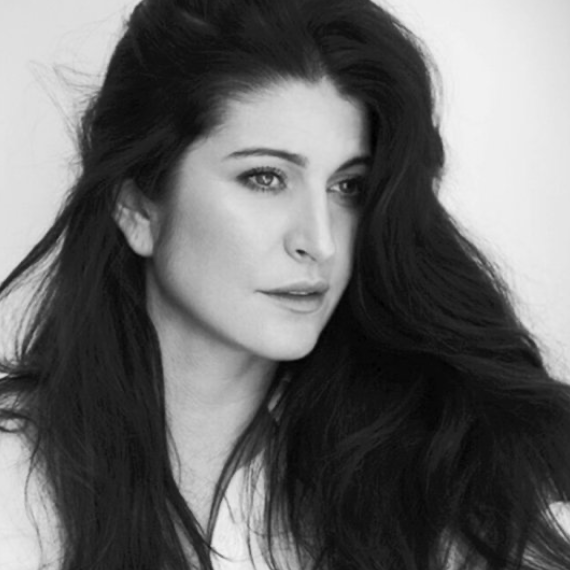
BAD BUNNY AT THE SUPER BOWL: A Cultural Statement and a Missed Opportunity
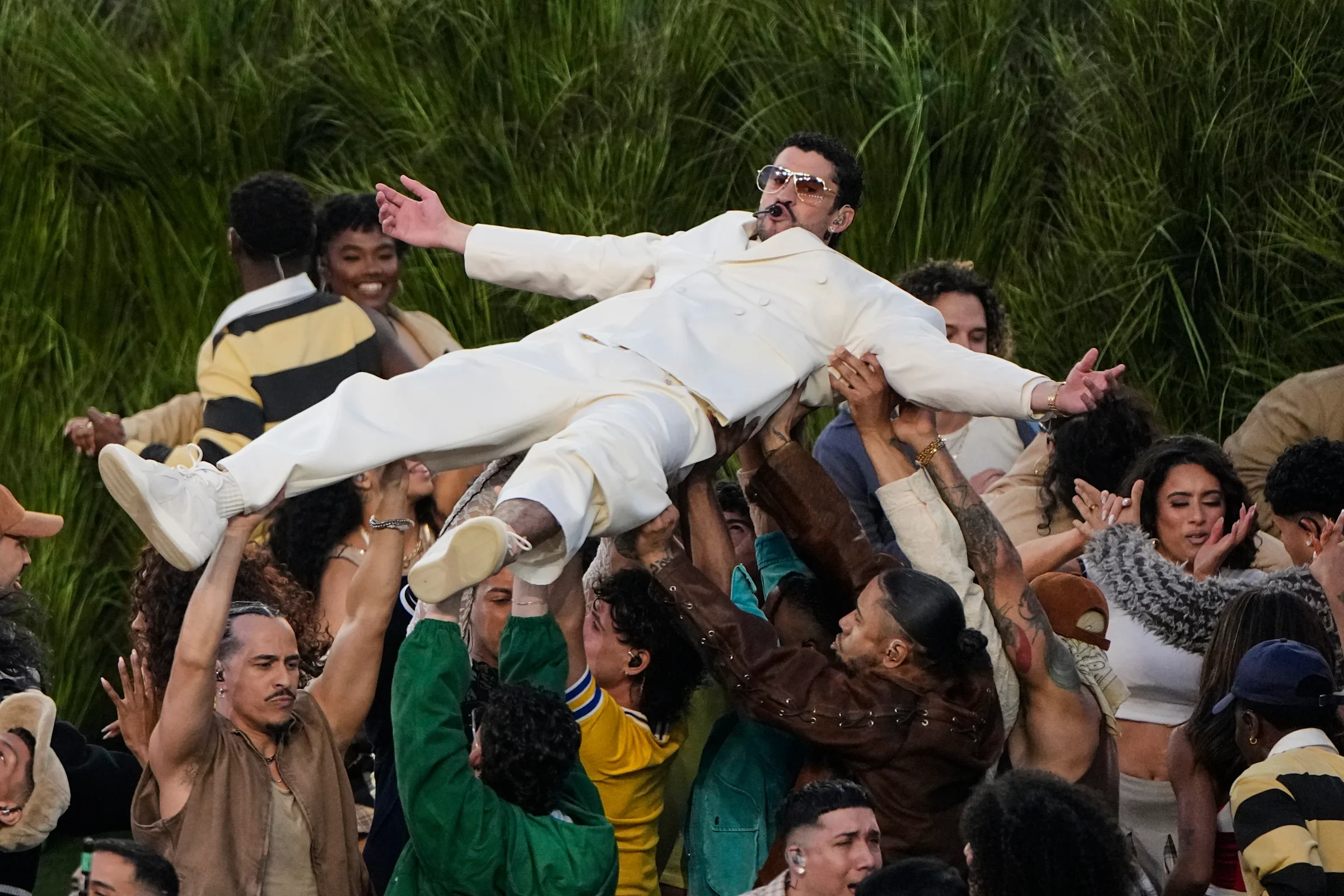
Photo: Yahoo
On Sunday, 9 February 2026, Bad Bunny took the Super Bowl stage for a performance that went far beyond music. As TIME noted, it was “a cultural statement, an act of resistance.” Even for the millions watching, it quickly became clear: the game was secondary; the spotlight was entirely on Bad Bunny.
The show was historic, one of the most watched halftime performances ever, dominating television, social media, and global conversation. Many joked that viewers didn’t even know who was playing, but everyone knew it was Bad Bunny’s Super Bowl. His presence was magnetic, his choices intentional, and his message undeniable.
This moment followed another landmark milestone just days earlier. In February this year, Bad Bunny made history at the Grammy Awards, becoming the first Latin artist to win Album of the Year. For that defining moment, he appeared in custom Schiaparelli haute couture menswear, the first menswear creation by the house a masterpiece that was both fashion and statement. It was an unmissable affirmation of cultural elevation and creative audacity.
Which is why the wardrobe choice for the Super Bowl invites reflection.
At this most visible stage, Bad Bunny appeared in a bespoke Zara outfit, with Zara also dressing the dancers, band, and orchestra. Zara is globally recognise for accessibility and scale, questionable ethics a far cry from the couture sophistication of Schiaparelli. For an artist of Bad Bunny’s stature, fashion is more than style. It is language. It communicates identity, influence, and intention. Every choice on the Super Bowl stage is a strategic statement.
So why Zara?
It’s curious. Bad Bunny has the platform and creative freedom to make choices that could redefine cultural narratives. He could have collaborated with Latin designers, emerging talents whose heritage and craftsmanship resonate with his own story. For such designers, this moment could have been transformative a career-defining leap onto the world stage. Instead, the decision leans toward familiarity and mass visibility over cultural nuance and legacy-building. And that is why, considering his profile, it feels a little disappointing.
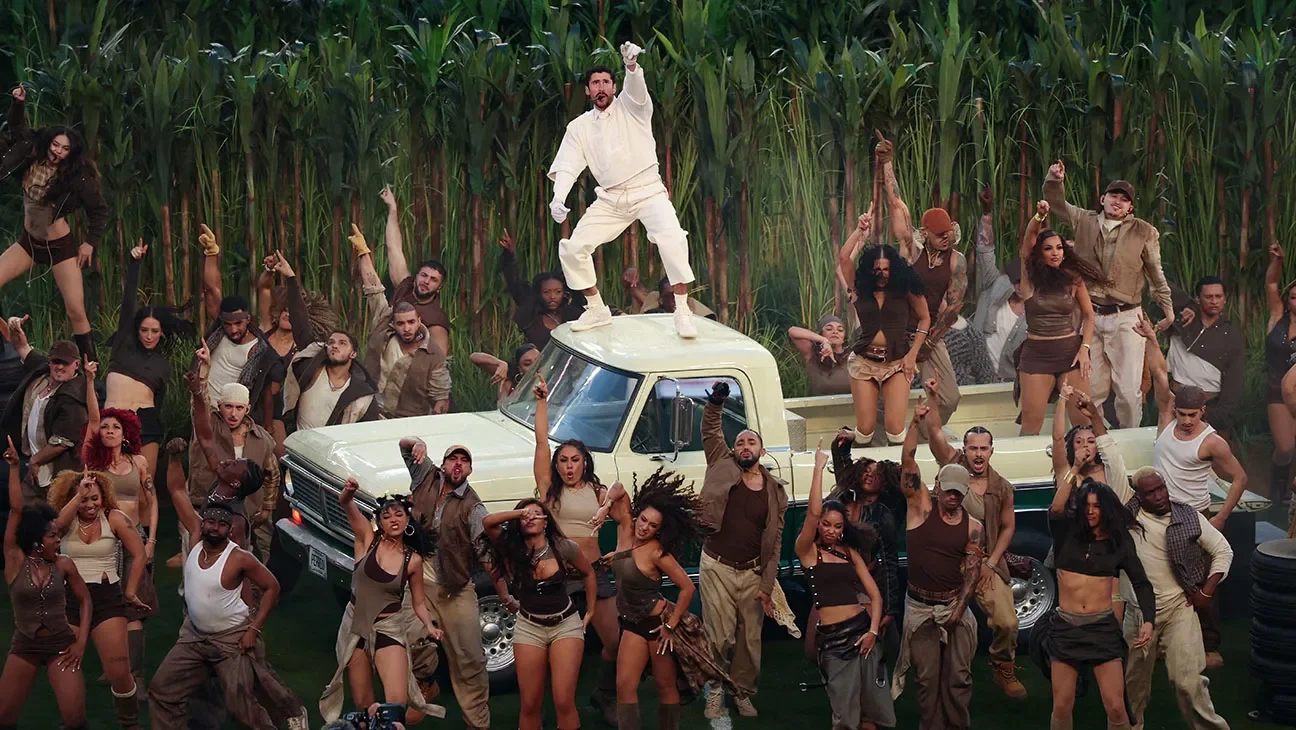
Photo: Getty Images
Bad Bunny’s Super Bowl performance was historic. His influence is undeniable. But when an artist who consistently shapes culture steps onto the biggest stage in the world, the fashion choice itself can be as meaningful as the performance. This was a rare opportunity to not only shine personally, but to elevate others along the way.
And that, perhaps, is what makes us wonder: what more could have been done?